Top 10%
Environment
of companies worldwide assessed by EcoVadis
in the Manufacture of other food products sector
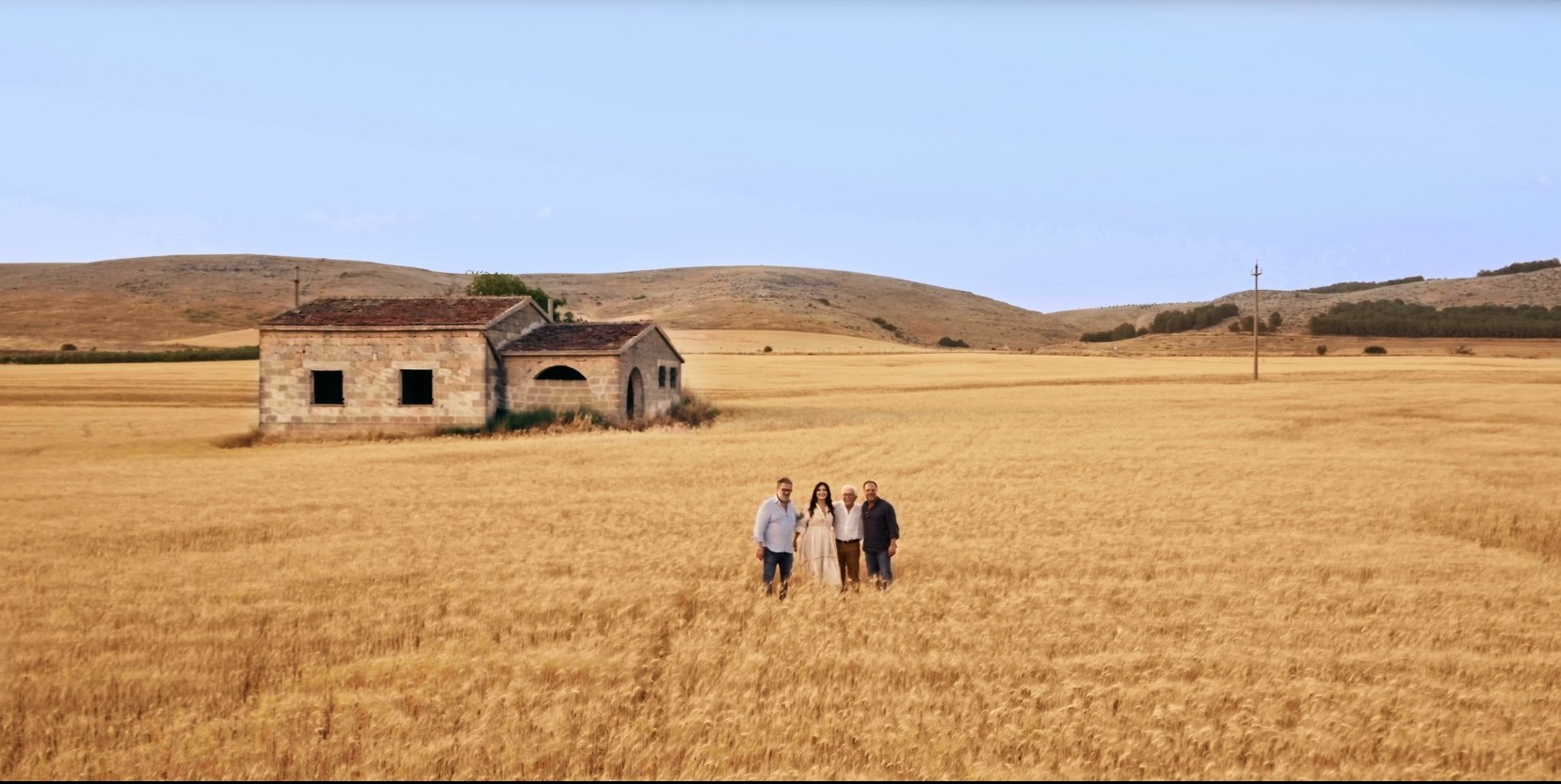
Towards Carbon Neutrality by 2029
Understanding resource consumption and the impact of production activities is the first step towards defining targeted measures. That is why Oropan has adopted certified systems for environmental and energy management and for measuring its carbon and water footprints. These tools form the basis of our improvement journey and of the targets set out in the 2026–2029 Sustainability Strategic Plan.
Top 10%
Environment
of companies worldwide assessed by EcoVadis
in the Manufacture of other food products sector
2029
Carbon Neutrality target
Substantially reducing Scope 1 and Scope 2 emissions and progressively reducing Scope 3 emissions.
ISO 50001
Energy management
An energy management system to monitor and optimise consumption.
ISO 14001
Environmental management
A system for managing and improving environmental performance.
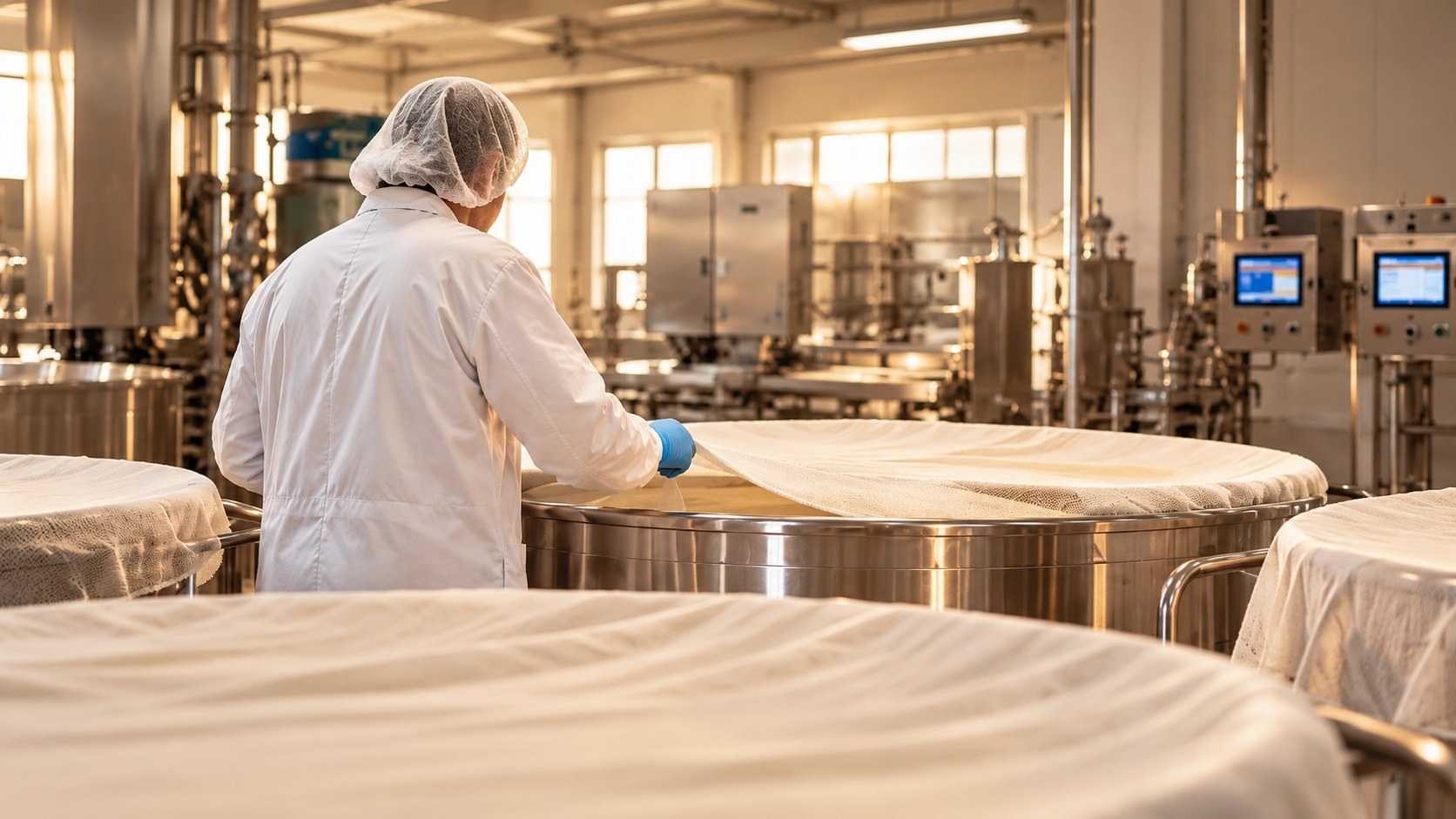
Managing the environmental impacts of our production activities is a central part of our sustainability journey. This commitment translates into initiatives to monitor and optimise the energy and water consumption associated with our production processes.
 Less plastic
43,000+
kg of plastic eliminated
from primary packaging in favour of paper over the 2023–2025 period
= 1,000 kg of plastic
 Reuse
81%
of waste produced in 2025 sent for preparation for reuse
261,359 kg out of 321,612 kg
 Water
−3%
water consumption in 2025 thanks to more efficient use of the resource, despite growing production volumes
 Waste produced
−70%
waste produced from 2023 to 2025
From 1,081,638 kg to 321,612 kg
Reducing emissions is one of the priorities of our 2026–2029 Plan.
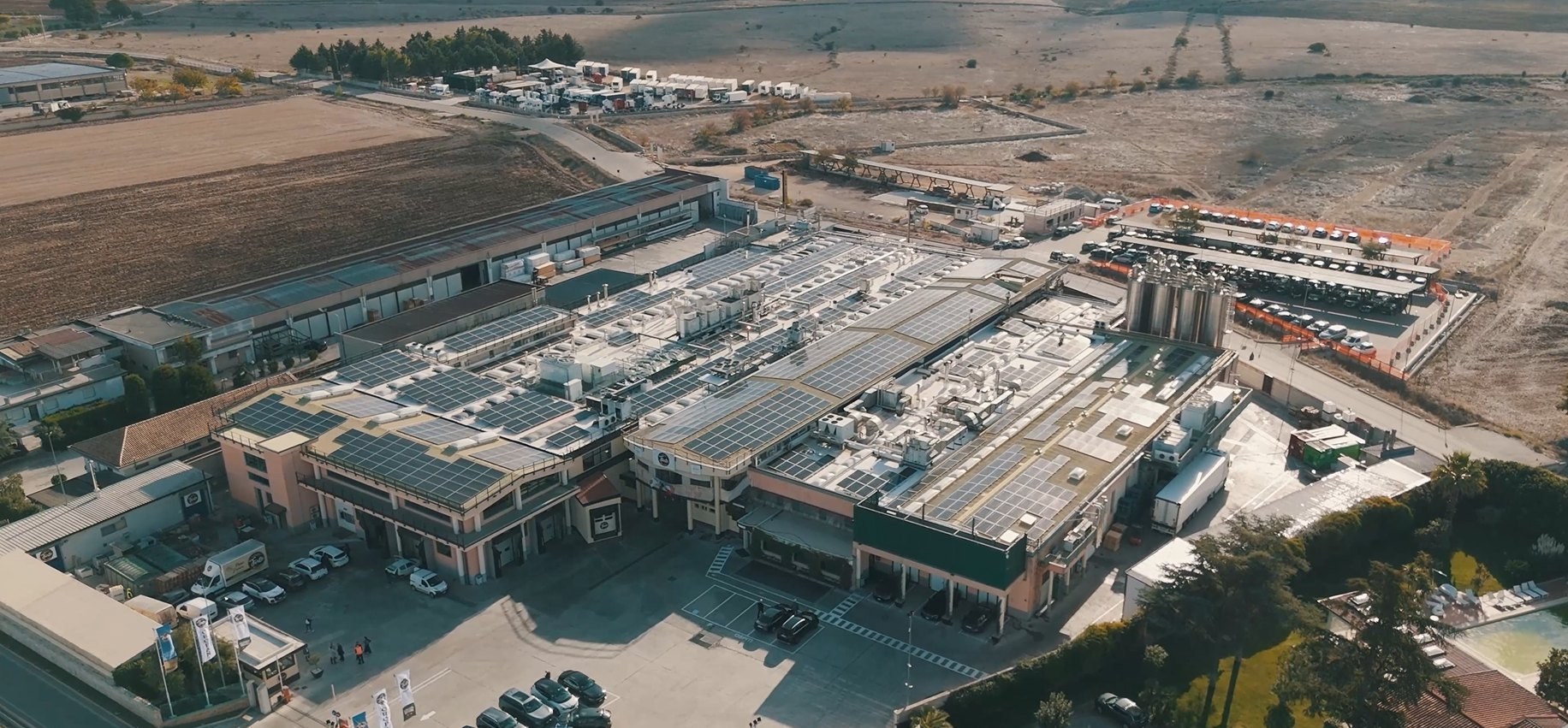
The Plan provides for increasing the share of electricity from renewable sources to 100% of electricity needs and improving energy efficiency by 35% per unit of product, through the installation of new-generation plants.
To support this journey, energy efficiency measures are planned, including an energy audit to identify and analyse the main energy consumption centres, the installation of clean steam generation systems, the introduction of trigeneration plants for the combined production of electricity, heat and chilled water, and the expansion of photovoltaic systems for self-consumption at company sites.
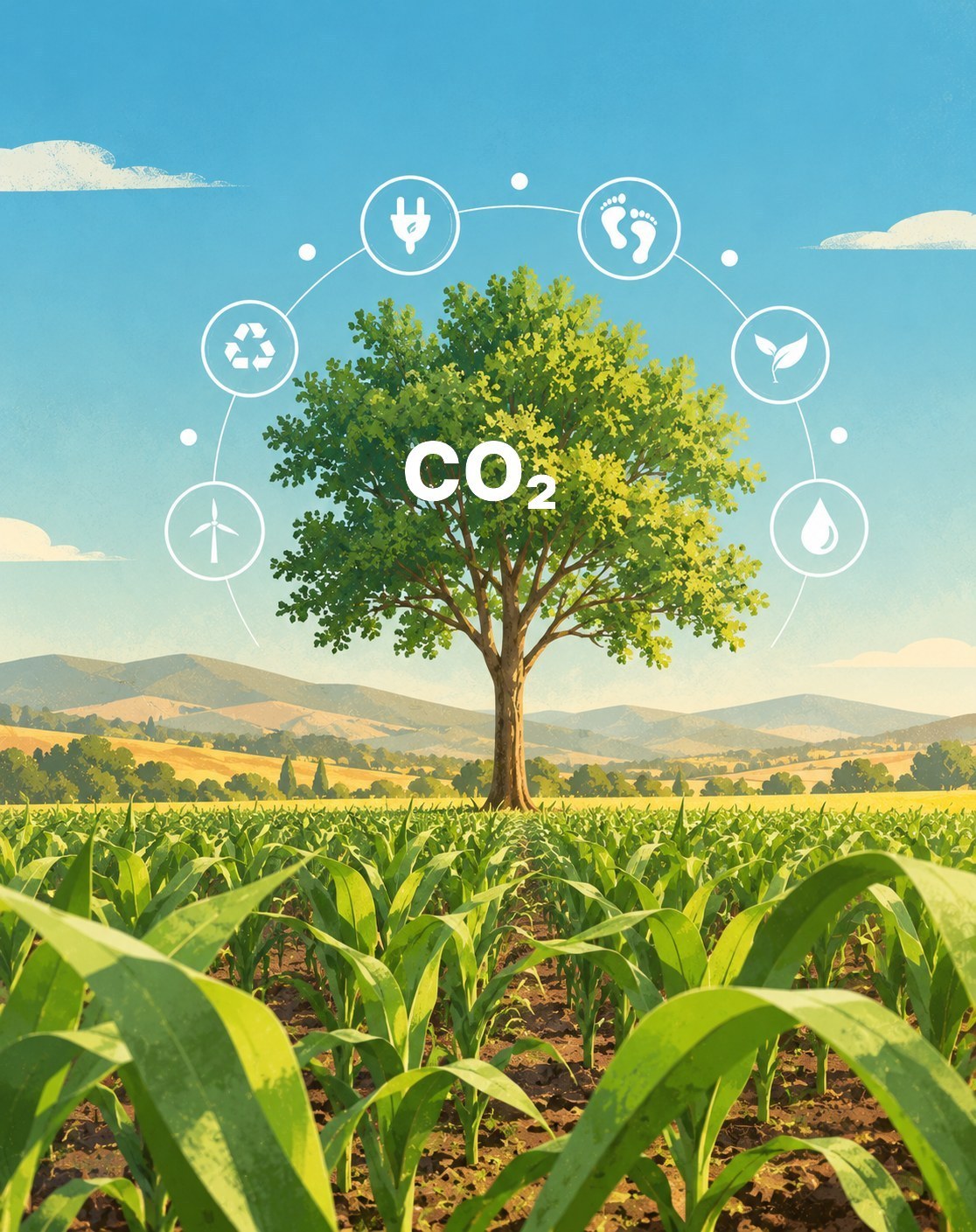

Caring for the environment means measuring, reducing and certifying our impact.
The 2026–2029 Sustainability Strategic Plan includes 13 actions to reduce emissions, manage water and energy responsibly and rethink packaging and waste, towards the Carbon Neutrality planned for 2029.
We protect soil fertility and biodiversity by offsetting emissions and defining a decarbonisation strategy.
Carrying out emissions offsetting projects and defining a Scope 1 and 2 decarbonisation strategy
We measure and reduce emissions along the supply chain, towards the Carbon Neutrality planned for 2029.
Involving hauliers in the use of vehicles with a lower environmental impact
Obtaining the LCA (Life Cycle Assessment) Label with an EPD (Environmental Product Declaration) according to ISO 14025 for Forte-branded products
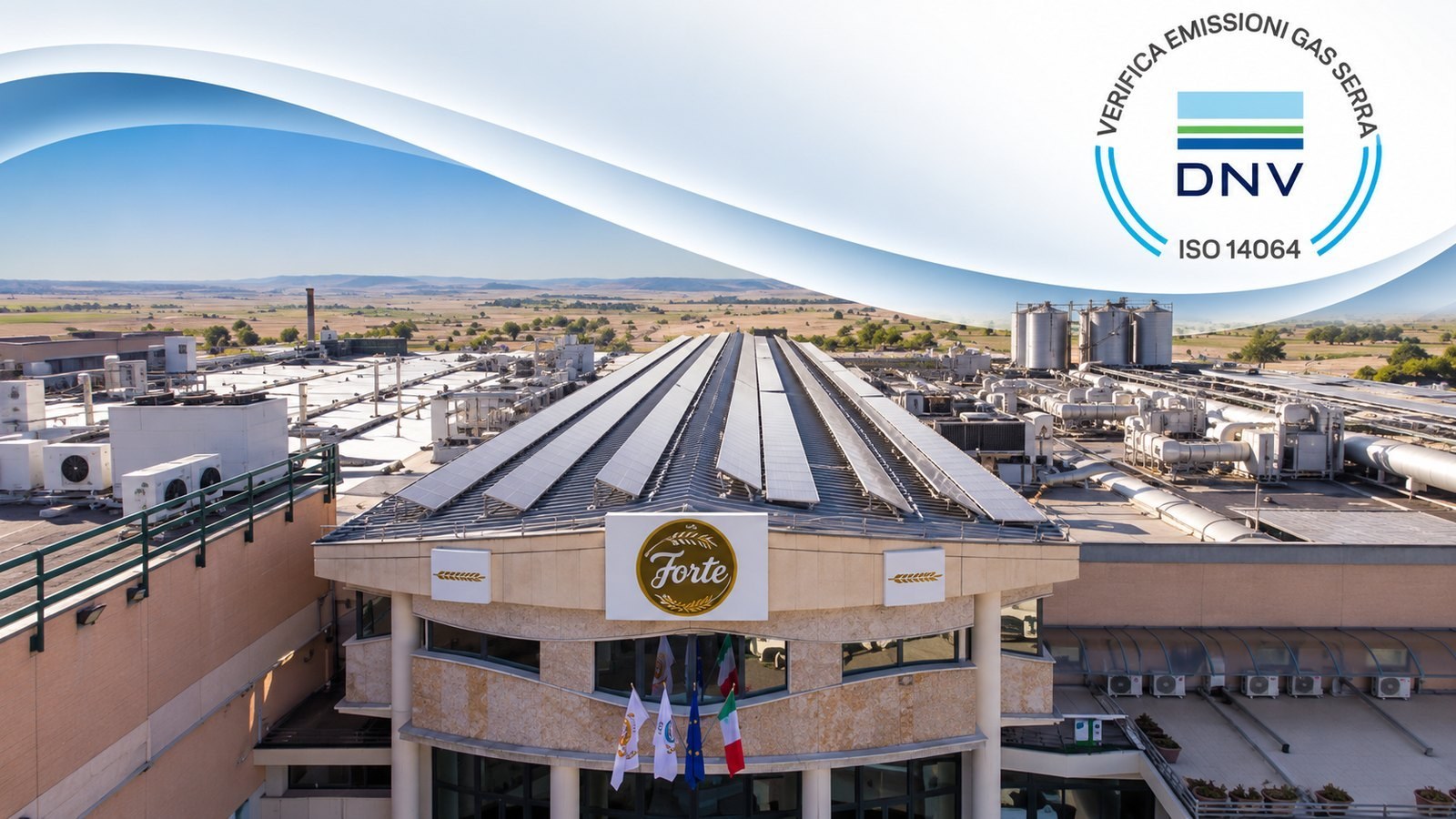
Maintaining the ISO 14064-1:2019, ISO 14067:2018 and ISO 14046:2016 Certifications
Maintaining the ISO 14001 and BIO Certified Organic Product Certifications
We rethink packaging to reduce materials and impacts, without compromising product protection.
Optimising secondary packaging with sustainability in mind (cardboard)
We reduce waste and optimise the use of resources in our production processes.
Improving the efficiency of oil use for machinery and equipment
We manage water with new systems for storing, treating and recovering rainwater.
Building a new storage facility with an integrated system for optimising water management in support of production and ancillary activities
Building a new facility for storing and treating drinking water for production activities, with an integrated system for managing and recovering rainwater
We choose raw materials and packaging by assessing consumption, waste and emissions to air, water and soil.
Prioritising, in company assessments, choices aimed at reducing energy consumption, waste and emissions to air, water and soil
We make consumption more efficient and invest in renewable, self-generated energy.
Carrying out an energy audit to identify and analyse the main consumption centres
Installing a trigeneration system (electricity, water, steam) and expanding photovoltaic systems for self-consumption at company sites
Maintaining the ISO 50001:2018 Certification
Each pillar is a promise of what we will do by 2029.

36 actions in the 2026–2029 Plan
Discover the actions: Value for the Market, Supply Chain and Local Area
15 actions in the 2026–2029 Plan
Discover the actions: Innovation and Economic Growth
6 actions in the 2026–2029 Plan
Discover the actions: Sustainability in the Company