
Corporate Governance
Oropan is an S.p.A. (joint-stock company) whose shares are held 90% by Oropan International S.r.l. (formerly Oropan International Sarl) and the remaining 10% by its founder Vito Forte.
Following the cross-border conversion resolved on 22 December 2025, the parent company Oropan International Sarl moved its registered office from the Grand Duchy of Luxembourg to Italy, becoming an Italian limited liability company and changing its company name to “Oropan International S.r.l.”, based in Milan.
The corporate governance model adopted by Oropan provides for a top-down organisational structure of the “traditional” type. It meets the need to integrate as far as possible the principle of creating value for all the Company’s stakeholders, with the aim of pursuing profitability and the satisfaction of customers, employees, shareholders and suppliers.
Accordingly, the governance system includes a Board of Directors (with management functions) and a Board of Statutory Auditors (with supervisory functions), both appointed by the Shareholders’ Meeting. The system is based on codified principles and procedures designed to ensure the utmost transparency and fairness in managing the business towards all stakeholders. The statutory audit of the accounts is entrusted to an external audit firm.
The Board of Directors
The Board of Directors is responsible for ordinary and extraordinary management and plays a crucial role in the corporate governance system. It resolves on transactions of significant strategic, economic, financial and sustainability relevance, and carries out all the acts it deems suitable and appropriate to pursue the corporate purpose.
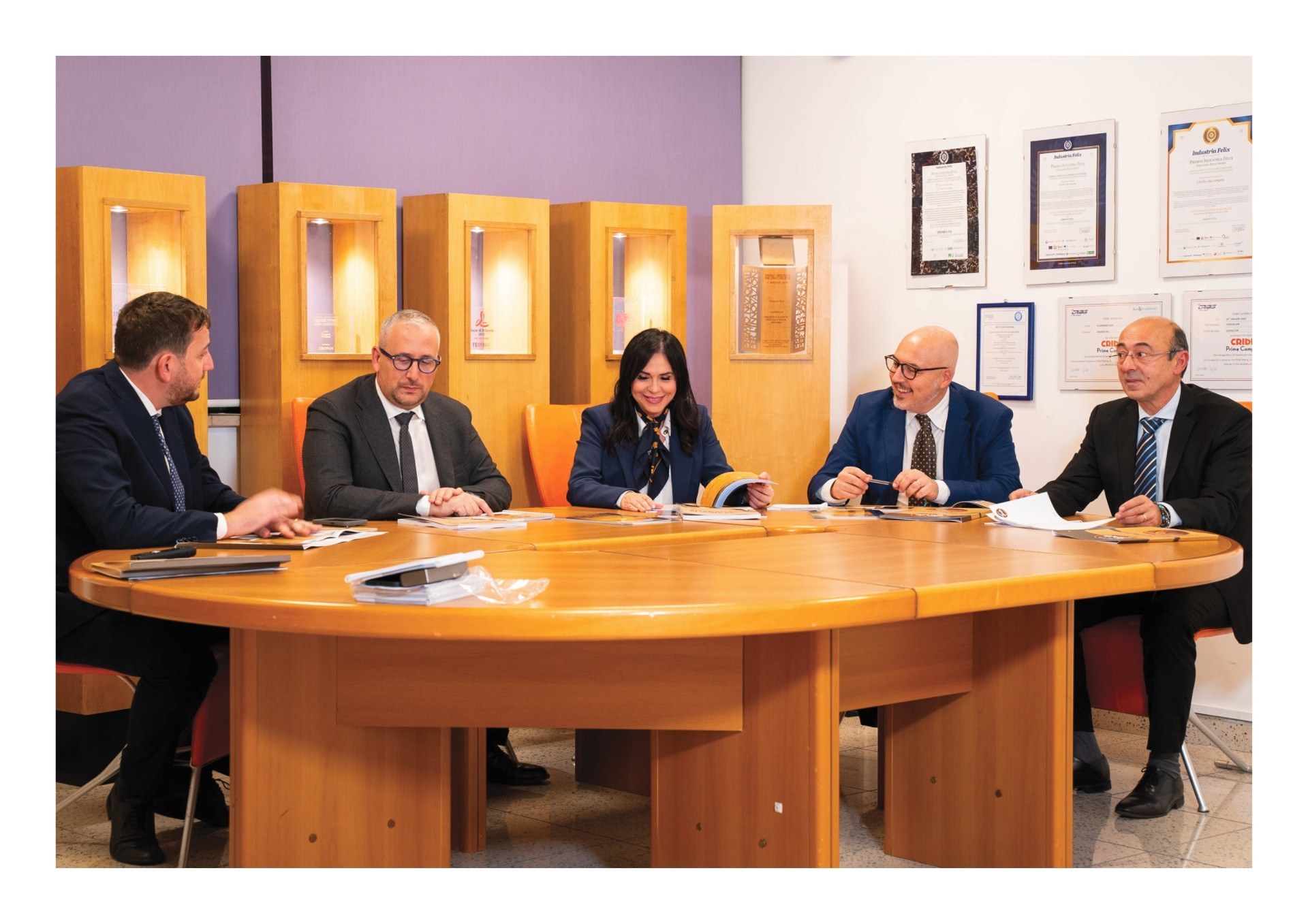
The Board of Directors has five members. Its composition and the related powers are set out below:
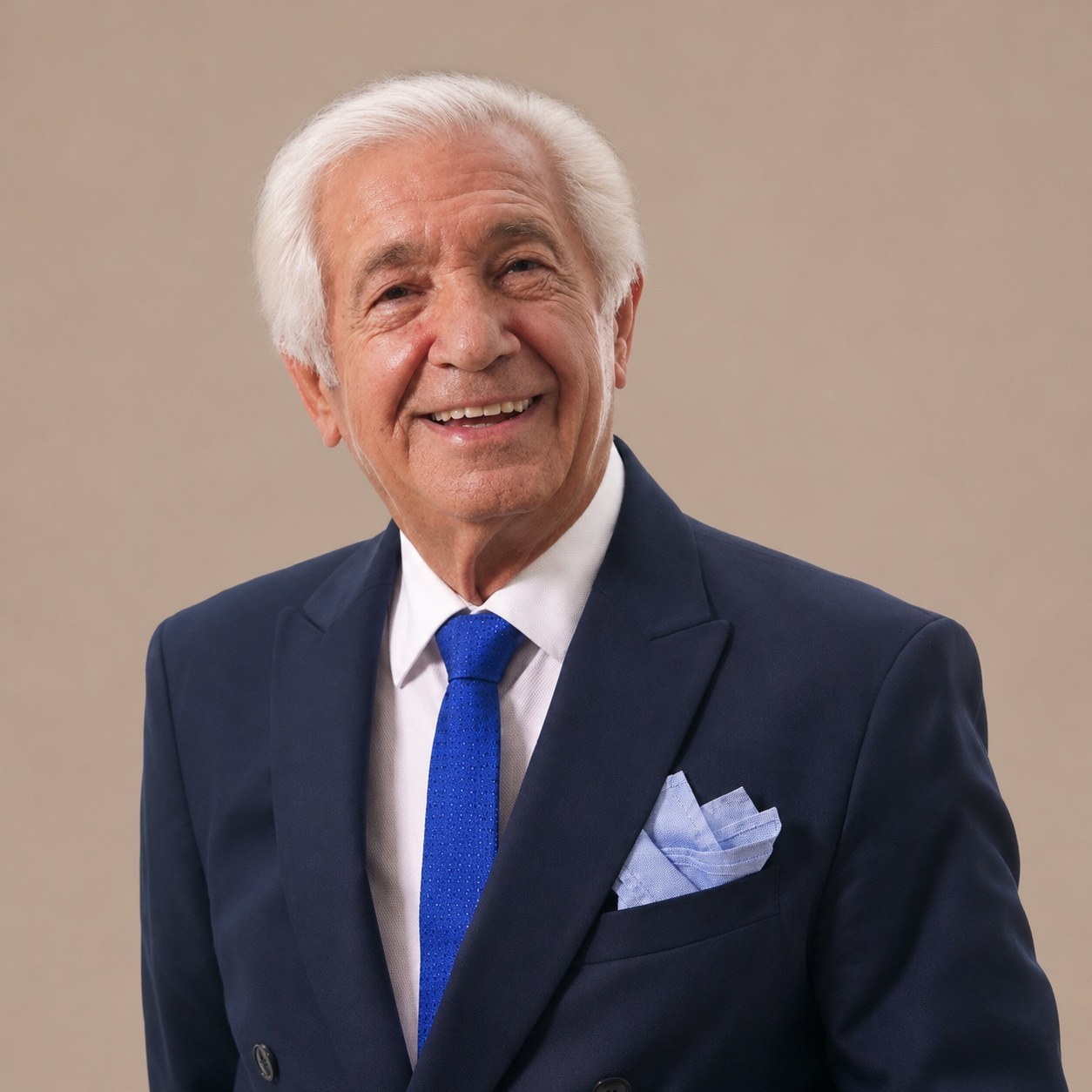
Chairman of the Board of Directors
Vito Forte is Chairman of the Board of Directors, with powers relating to Privacy and to Legal Representation towards third parties. Jointly with Managing Director Daniele Forte, he is also responsible for overseeing and directing the work team and the company’s Research and Development function
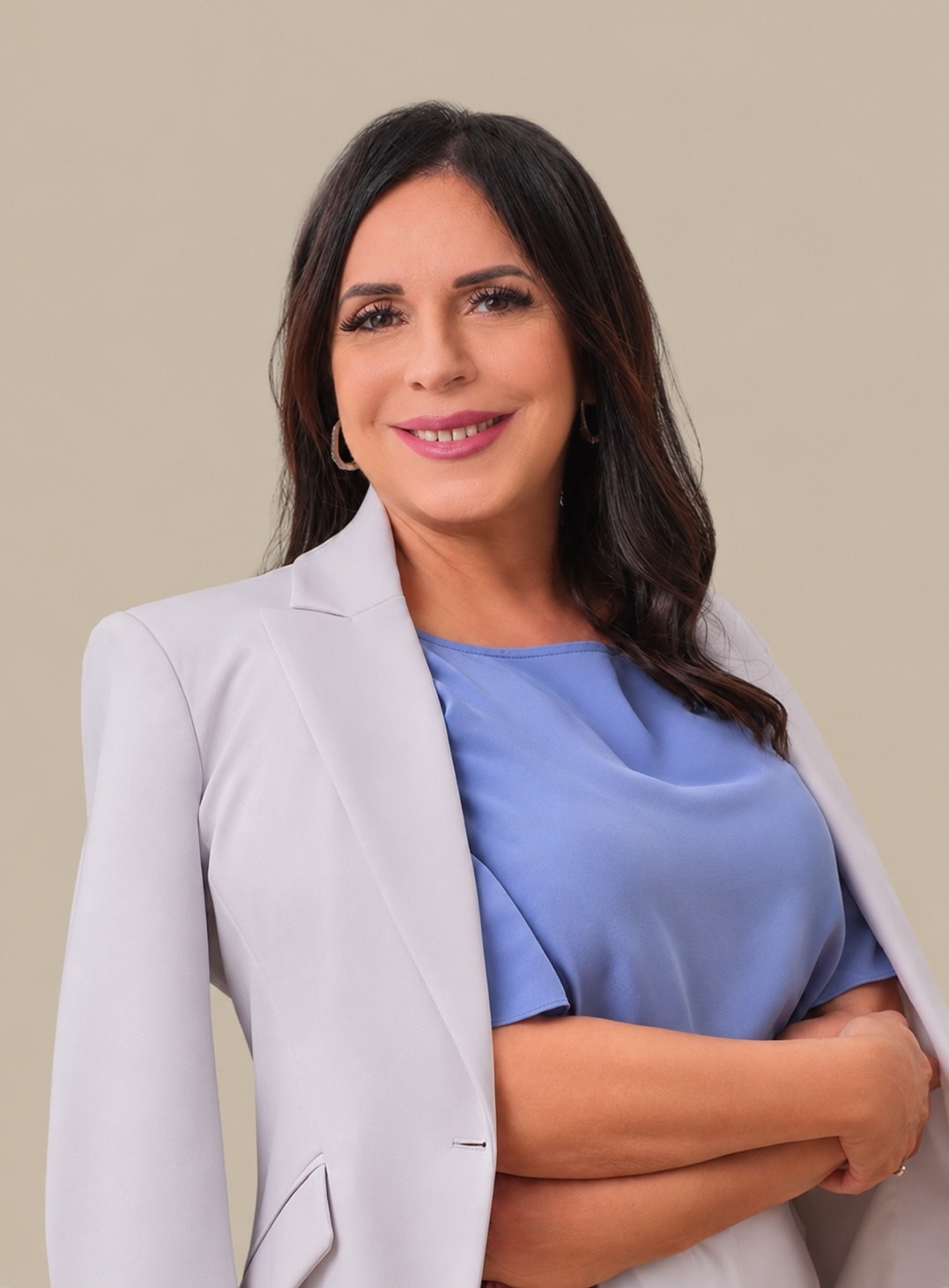
Chief Executive Officer
Lucia Forte is Chief Executive Officer, a role she has held since 2018 after taking on increasing responsibility in several company functions. In particular, she is responsible for overseeing and coordinating the main company functions, including Administration, Finance and Control, Marketing, Purchasing, Human Resources, IT, Quality System, Production, Production Planning and Logistics, as well as leading and monitoring strategic planning and company budgeting. She is the Employer under Italian Legislative Decree 81/2008, with the responsibilities and powers provided for by health and safety at work legislation. She also oversees and coordinates sustainability matters and ESG processes, consistently with the responsibilities assigned to the functions reporting to her

Vice Chairman and Managing Director
Francesco Forte is Vice Chairman and Managing Director responsible for the Sales Department. He is in charge of market analysis, defining and implementing sales strategies, the sales budget and commercial development plans, and managing sales and Trade Marketing activities, in synergy with the Marketing Department and in coordination with the Chief Executive Officer

Managing Director
Daniele Forte is Managing Director responsible for the Technical Department and the Maintenance Department, both routine and extraordinary, and for defining and implementing the related programmes. He is also the Environmental Manager, with the powers provided for by law. Jointly with Chairman Vito Forte, he is also responsible for overseeing and directing the work team and the company’s Research and Development function
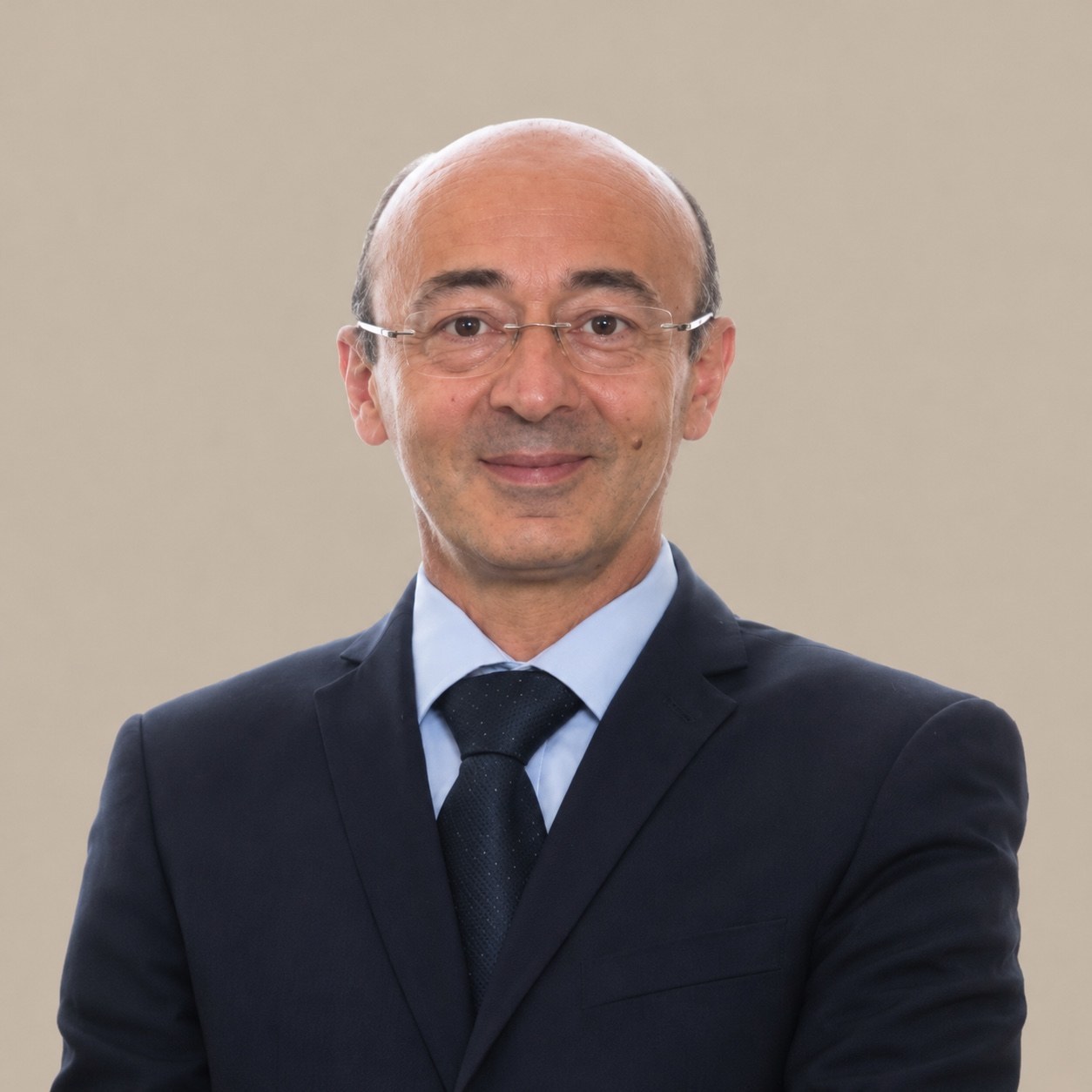
Director
Tommaso Mongelli is a member of the Board of Directors and Head of Administration, Finance and Control, coordinating economic and financial planning and control, management reporting, financial management and the monitoring of company performance.
The terms of office of the Board of Directors, which naturally expired with the approval of the financial statements at 31 December 2025, were renewed in 2026 for a further three-year term, ensuring continuity in governance and in pursuing the Company’s strategic guidelines.
Sustainability and Risk Committee
In 2023 Oropan set up a Sustainability and Risk Committee (hereinafter also “the Committee”), which brings together ESG matters and risk management in a single company body.
The Committee supports the Board of Directors in defining the Company’s sustainability strategy and in keeping it continuously up to date, with the aim of ensuring the creation of sustainable value over time for all stakeholders and with a view to sustainable success.
In addition, the Committee carries out the following activities:
Develops, implements and verifies the application of ESG policies in the company’s activities and in its relations with its main stakeholders;
Prepares the Strategic Plan and its subsequent revisions for submission to the Board, in order to integrate sustainability into all business processes;
Prepares the proposed budget for each initiative included in the Plan to be presented to the Board of Directors;
Assists the Board of Directors in examining, assessing and approving the Sustainability Report;
Promotes training initiatives and the spread of a culture of sustainability among employees and collaborators, business partners, customers and, more generally, the Company’s stakeholders;
Manages and monitors the sustainability initiatives set out in the Strategic Sustainability Plan;
Coordinates and supports the activities related to the double materiality analysis.
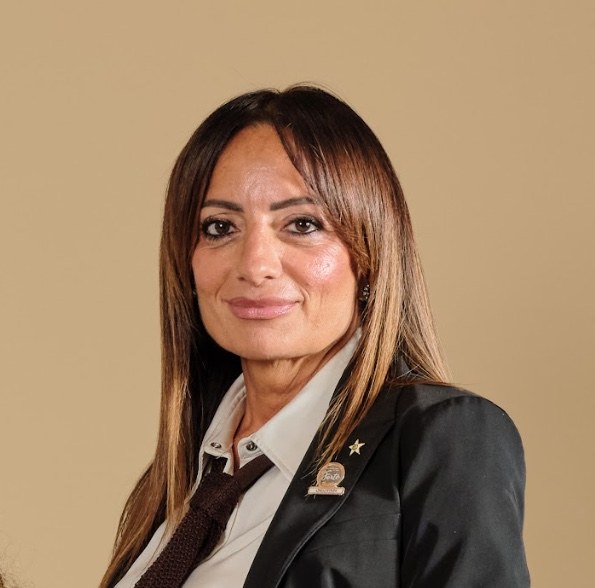
Thematic committees
In addition to the Sustainability and Risk Committee, over the years Oropan has added thematic committees to its organisation chart, in order to organise itself and better follow, implement, monitor and develop the certification schemes the Company has adopted. This choice also affirms a principle of shared and proactive company culture at every level, since the committees are cross-functional in nature and composition.
The following committees have been set up and are fully operational:
Health and safety at work under ISO 45001
The Safety Team and Prevention and Protection Service (SPP) is the company unit dedicated to managing health and safety at work, within the Management System compliant with ISO 45001.
The Team supports the organisation in identifying, assessing and managing the hazards and risks connected with work activities, promoting the adoption of appropriate prevention and protection measures. The Team also helps monitor safety conditions in workplaces, equipment and plants, contributing to the definition of the necessary corrective and preventive actions. Particular attention is paid to training, informing and raising awareness among workers, emergency management, checking the application of safety procedures and the continuous improvement of health and safety performance.
This oversight keeps safety at work integrated into company processes, encouraging the involvement of the different functions and structured risk management.
Food quality and safety under BRCGS and IFS
The Quality Team is the main company unit responsible for managing and continuously improving the food safety and quality system, with reference to the BRCGS and IFS standards and the applicable mandatory requirements.
The Team monitors the compliance of products, processes and operating conditions with the requirements of the management system, ensuring that standards of food safety, quality, legality and product authenticity are maintained.
As part of its activities, the Team manages and monitors the HACCP Plan, prerequisite programmes, non-conformities, complaints, corrective and preventive actions, supplier verification, traceability, analytical checks and internal audits. The Team also supports risk assessment, change management, the monitoring of food quality and safety objectives and the verification of the effectiveness of the actions taken. The system focuses on risk prevention, the continuous improvement of processes and customer satisfaction.
Environmental management under ISO 14001
The Environmental Management Manager (RGA) oversees the Environmental Management System compliant with ISO 14001, ensuring the systematic monitoring of the environmental aspects connected with the organisation’s activities.
The RGA supports the identification and assessment of environmental aspects and impacts, the monitoring of applicable compliance obligations and the management of the activities needed to prevent or reduce the environmental impacts of company processes.
Its activities include monitoring consumption and environmental performance, managing waste, emissions, discharges and resources, and checking compliance with the applicable legal and permit requirements. The RGA also contributes to defining and monitoring environmental objectives, managing any non-conformities and implementing the related corrective actions, promoting the continuous improvement of the organisation’s environmental performance.
Prevention of bribery under ISO 37001
The Anti-Bribery Compliance Function (FDC) oversees the Anti-Bribery Management System compliant with ISO 37001.
The function supports the organisation in preventing, detecting and managing bribery risks and in monitoring the measures adopted. The FDC contributes to assessing bribery risks, checking the effectiveness of prevention measures, handling reports and monitoring compliance with the applicable company procedures and principles.
The function also promotes a company culture based on integrity, transparency, responsibility and ethical behaviour, supporting training and awareness-raising for staff and the functions concerned. Its oversight also includes monitoring the system, checking any critical issues and defining the actions needed to ensure the continuous improvement of the Anti-Bribery Management System.
Gender equality under UNI/PdR 125
The Gender Equality Committee oversees the activities connected with the gender equality management system under UNI/PdR 125.
The Committee promotes a working environment based on the principles of equal opportunities, inclusion, fairness and the value of diversity.
The Committee monitors the initiatives and indicators set out in the system, supporting the organisation in defining and monitoring gender equality objectives. Particular attention is paid to recruitment and personnel management, professional development, training, growth and career opportunities, as well as pay equity and work-life balance. The Committee also helps prevent discriminatory behaviour and promote an inclusive organisational culture, checking the effectiveness of the initiatives adopted and identifying any areas for improvement. Its activities aim at the continuous improvement of equity and inclusion within the organisation.
Social responsibility under the SA 8000 standard
The Social Performance Team (SPT) oversees the organisation’s social responsibility in compliance with the SA 8000 standard.
The Team supports the Company in ensuring respect for workers’ rights and in promoting decent, safe and fair working conditions.
The SPT monitors working conditions, the prevention of child and forced labour, health and safety, freedom of association and collective bargaining, non-discrimination, disciplinary practices, working hours and pay, as required by the applicable system.
The Team also helps identify any social issues, handle reports and complaints, monitor social performance and define the related corrective and improvement actions. By involving the different company functions, the Social Performance Team promotes an organisational culture based on respect for workers’ rights, responsibility, inclusion, transparency and the continuous improvement of working conditions.
Control bodies
A supervisory body for responsible governance
Name and role G. Born Appointed Antonio Maria La ScalaChairman M 08/09/68 29/06/2023 Antonietta LomurnoStanding auditor F 08/05/71 29/06/2023 Tommaso PorziottaStanding auditor M 17/05/69 29/06/2023 Giammaria ZilioAlternate auditor M 29/11/74 29/01/2024 Eleonora De GiorgiAlternate auditor F 26/03/74 29/06/2023 The Board of Statutory Auditors is responsible for supervising compliance with the law and the articles of association, compliance with accounting principles and the adequacy of the Company’s organisational structure and internal control system. The Board consists of a Chairman, two standing auditors and two alternate auditors, who meet the requirements of good repute and professionalism laid down by law.
Their term of office expires on the date of the Shareholders’ Meeting approving the financial statements for the last year of their term.
The term of office of the Board of Statutory Auditors, which expired with the approval of the financial statements at 31 December 2025, was renewed in 2026 for the following three years. The Shareholders’ Meeting confirmed the same composition as in the previous three-year term.
Protecting ethical principles and legality
Oropan’s SB has three members, who bring expertise, independence and an integrated vision:
- Chair of the SB
External legal professionalAvv. Stefania Laterza - External member
Electronic engineer with experience in organisational systemsIng. Daniele Giannella - Internal member
Representative of the company’s Research & Development team.Dr Roberto Rasulo
As part of Oropan’s constant commitment to ensuring legality, transparency and integrity in its activities, the Supervisory Body (SB) plays a central role in overseeing the ethical and regulatory principles adopted by the Company. This Body, provided for by Italian Legislative Decree 231/2001, is responsible for monitoring the effectiveness, observance and updating of the “Organisation, Management and Control Model”.
With independent powers of initiative and control, the SB is appointed by the Board of Directors and acts with full autonomy. Its main responsibilities are:
Supervising and checking compliance with the provisions of the Organisation, Management and Control Model and the Code of Ethics;
Checking that company activities comply with the applicable legislation;
Assessing and managing the risks arising from the business processes adopted by the Company;
Proposing updates and improvements to the Organisation, Management and Control Model and the Code of Ethics, in line with ongoing legislative changes and the internal information flows received;
Promoting a culture of legality through training and information activities for employees and collaborators.
The Supervisory Body has a three-year mandate, ensuring continuity in supervising the effective implementation of the Organisation, Management and Control Model under Italian Legislative Decree 231/2001 and compliance with the principles of legality, transparency and fairness that guide the Company’s conduct.
In 2026 the Board of Directors confirmed the current Supervisory Body for a further three years, reflecting its wish to continue ensuring the continuity and effectiveness of the internal control system and to further strengthen the existing oversight of compliance risks. This choice is part of the broader development of Oropan’s sustainability governance, recognising the Supervisory Body as a fundamental safeguard for spreading a culture of integrity, responsibility and business ethics.
- Chair of the SB
Deloitte & Touche S.p.A.
The statutory audit of the Company’s accounts is entrusted to an audit firm entered in the Register established under Italian Legislative Decree 39/2010 and appointed by the Shareholders’ Meeting in accordance with current legislation. The audit firm audits the annual financial statements and periodically checks that the company accounts are properly kept.
The Shareholders’ Meeting has engaged Deloitte & Touche S.p.A., based at Via Tortona 25, Milan, for the statutory audit of the accounts.
The engagement, which expired with the approval of the financial statements for the year ended 31 December 2025, was renewed in 2026 for a further three years, until the approval of the financial statements for the year ending 31 December 2028.
An organisation that measures itself against the highest standards.
Our certifications and governance documents attest to our commitment to quality, safety, the environment, gender equality and the prevention of bribery. Each document is the result of a process verified by third-party bodies and shared with our stakeholders.